Discovering roof damage after a storm is stressful enough without the added pressure of navigating an insurance claim. For homeowners across Blacktown and western Sydney, storm damage claims are common every year, but not every claim gets approved. Insurers reject a surprising number of claims, often over avoidable mistakes made in the hours and days immediately after the storm.
This checklist walks through exactly what to do, and what to avoid, to give your claim the best possible chance of being accepted.
Step 1. Make the Property Safe First
Before anything else, your safety comes first. If there is a hole in the roof, water actively coming through the ceiling, or any risk of further structural damage, take reasonable steps to prevent it from getting worse. This might mean placing buckets to catch water or covering an obvious opening with a tarp if it is safe to do so.
Insurers generally expect homeowners to take reasonable action to prevent further damage once an issue is discovered. Leaving a hole exposed to more rain for several days before lodging a claim can work against you, so act promptly, but avoid getting onto the roof yourself if conditions are unsafe.
Step 2. Document Everything Before Any Repairs
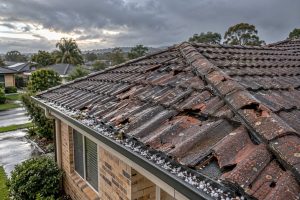
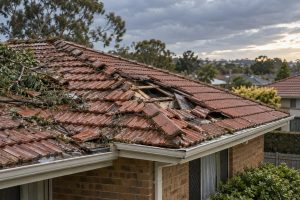
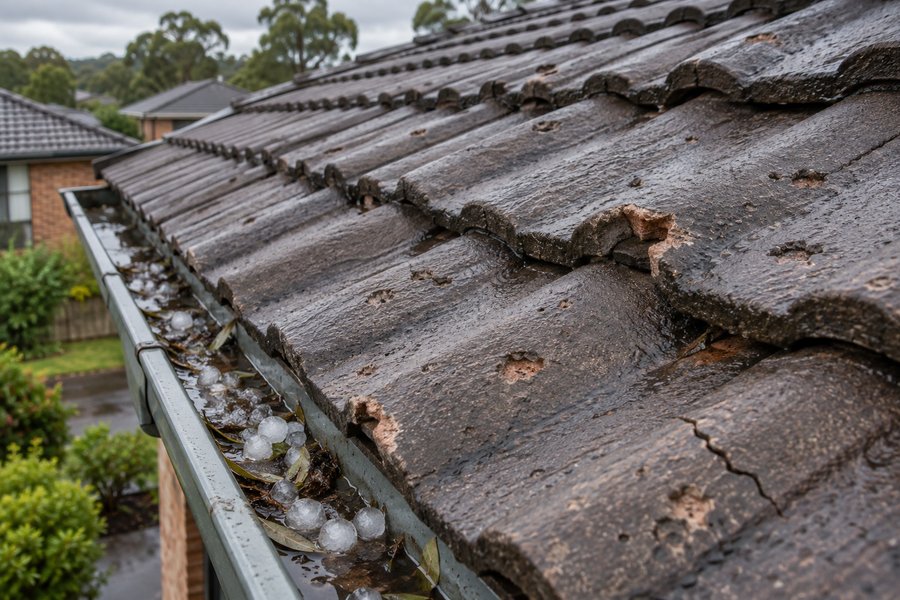
This is the step that causes the most claims to fail. Before any repairs begin, and ideally before you even clean anything up, take clear photos and video of all visible damage. This includes the roof itself if you can safely view it from the ground, ceiling stains, water pooling, damaged gutters, and any debris like hail or broken tiles on the ground.
Wide shots that show the full context, plus close ups of specific damage, both matter. If you can safely capture a photo showing the size of hailstones next to a coin or ruler, insurers find this particularly useful for assessing the severity of the storm.
Avoid throwing away damaged materials until your insurer confirms you no longer need them as evidence. A pile of cracked tiles waiting in the yard is often the difference between a straightforward claim and a disputed one.
Step 3. Check Your Policy Before You Call
Take a few minutes to read through your policy, particularly the sections covering storm, hail, and water damage. Some policies distinguish between sudden storm damage and gradual wear or pre-existing issues, and insurers will look closely at which category your damage falls under.
If your roof had any known issues before the storm, be upfront about this when you lodge the claim rather than leaving it for the assessor to discover. Claims are far more likely to be challenged when there is a perception that pre-existing damage is being presented as storm related.
Step 4. Lodge the Claim Promptly
Most insurers expect claims to be lodged as soon as reasonably possible after the event. Waiting weeks or months, even if the damage is minor at first, can raise questions about whether the damage actually occurred during the storm being claimed for.
When you lodge the claim, have your policy number, the date of the storm, and your photo and video evidence ready. Providing a clear, organised account from the start tends to move the process along faster and with fewer follow up requests.
Step 5. Get a Professional Damage Report
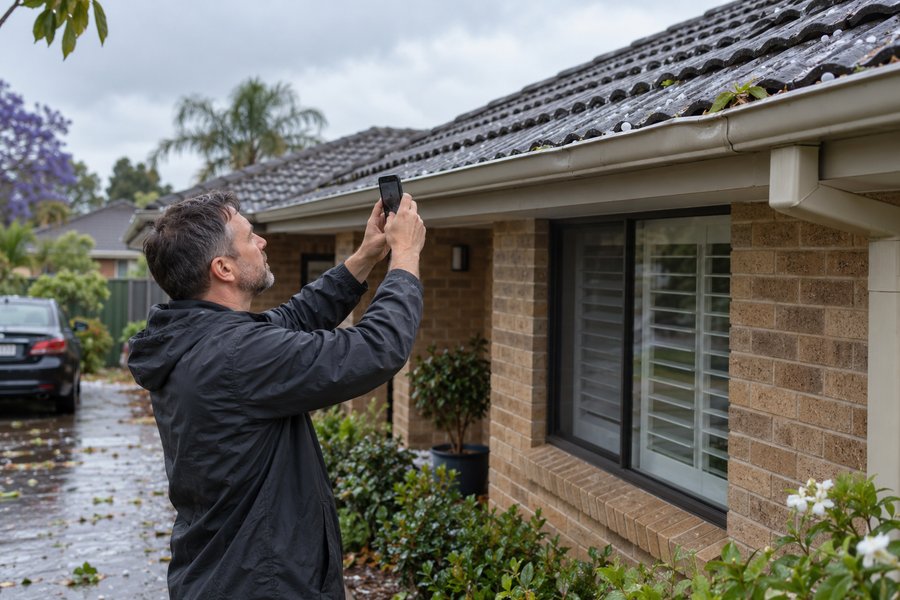
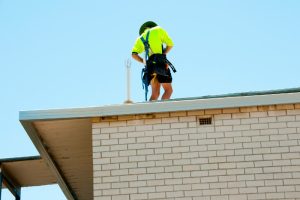
Many insurers will send their own assessor, but having an independent report from a licensed roofer strengthens your position considerably. A professional report identifies the cause and extent of the damage in clear technical language, which can be particularly useful if the insurer's initial assessment seems lower than expected.
A local roofer who regularly works with storm damage in Blacktown and western Sydney will also know what NSW insurers typically look for in these reports, which can help avoid unnecessary back and forth.
Common Mistakes That Get Claims Rejected
A handful of mistakes come up again and again in rejected or reduced claims.
Repairing the damage before it has been documented or assessed removes the evidence the insurer needs to verify the claim.
Delaying the claim for weeks after the storm makes it harder to establish that the damage happened during that specific event.
Not disclosing prior roof condition can lead to a claim being challenged later, even if the storm did cause genuine additional damage.
Accepting the first assessment without question, particularly if it seems to undervalue the damage or misses issues that a roofer would recognise, can leave money on the table that a second opinion might recover.
What to Do While You Wait
Claims can take anywhere from a few days to several weeks to resolve, depending on the insurer and the extent of the damage. During this time, keep a written record of any communication with your insurer, including dates and the names of anyone you speak with. If temporary repairs are needed to prevent further damage, keep receipts, as these are often reimbursable under most storm damage policies.
Get a Professional Assessment Before You Lodge
If your Blacktown home has taken storm damage and you are preparing to file a claim, a professional roof inspection and damage report can make the process considerably smoother. Our local team can assess the damage, document it thoroughly, and provide the kind of report NSW insurers expect to see.
Contact us for a storm damage assessment before you lodge your claim.