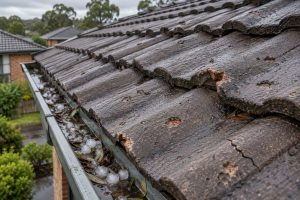
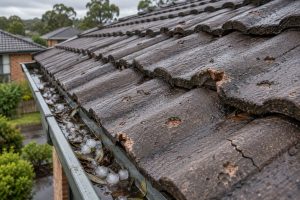
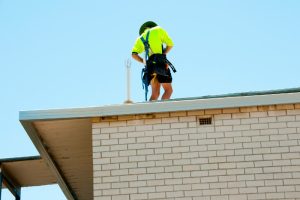
If you have lived in Blacktown or the surrounding suburbs for more than a few storm seasons, you have probably noticed a pattern. The news reports hail and wind damage in western Sydney far more often than it does for the eastern suburbs or the coast. This is not a coincidence, and it is not just bad luck. There are real geographic and structural reasons why homes in this part of Sydney take a harder hit every storm season, and understanding them can help you protect your own roof before the next one arrives.
The Geography Behind the Damage
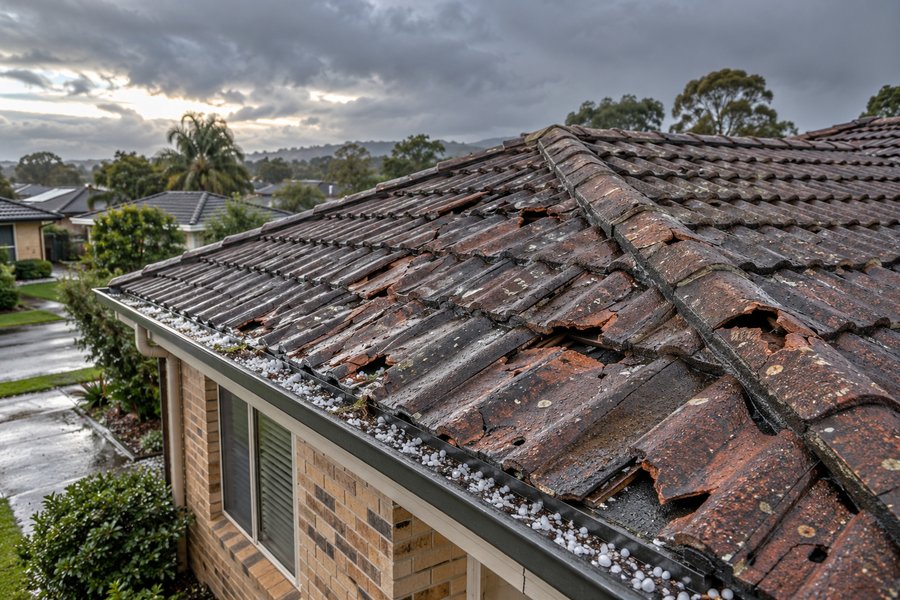
Severe thunderstorms in the Sydney region typically form inland and move east, gathering strength as they travel. By the time a storm cell reaches the coast, it has often already released much of its energy over western Sydney. This is part of why suburbs like Blacktown, Penrith, Rooty Hill, and Mount Druitt tend to experience more frequent and more severe hail events than suburbs closer to the harbour.
The Bureau of Meteorology has recorded some of the most damaging hailstorms in New South Wales history tracking directly through western Sydney, including events that dropped hailstones large enough to smash roof tiles, skylights, and gutters across entire suburbs in a single afternoon. Homeowners further west are simply in the more exposed path more often.
Heat and Ground Conditions Play a Role Too
Western Sydney also experiences significantly higher summer temperatures than the coastal suburbs, sometimes by ten degrees or more on the same day. This heat differential is part of what fuels the intensity of storm cells as they build over the inland plains before moving through suburbs like Blacktown. The combination of hot, dry ground conditions during the day and cooler air moving in ahead of a storm front creates ideal conditions for the kind of rapid, severe storm development that this region is known for.
Older Housing Stock Adds to the Risk
Geography is only half the story. Much of Blacktown and the surrounding suburbs were developed in waves from the 1960s through the 1990s, and a large portion of that housing stock still has its original roofing. Roof tiles, flashing, and sarking materials all degrade over time, even without any single dramatic event causing damage.
A roof that was installed thirty years ago has likely been through dozens of storm seasons already. Each one adds a small amount of wear, whether that is a hairline crack in a tile, a slightly lifted piece of flashing, or sarking that has begun to sag. None of these issues cause a leak on their own. But when a severe storm arrives, these are exactly the weak points that fail first.
This is why two houses on the same street can experience completely different outcomes from the same storm. The one with a newer roof or recent restoration often comes through with no issues, while the older, unmaintained roof next door ends up with a tarp over it the next morning.
What This Means for Blacktown Homeowners
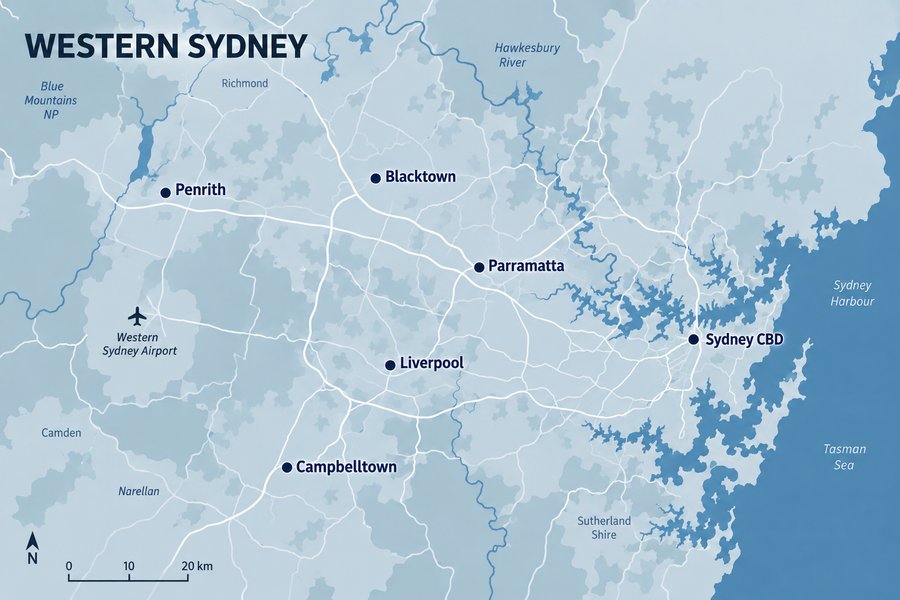
None of this is meant to cause alarm, but it is a useful reality check. If you live in Blacktown, Doonside, Seven Hills, Rooty Hill, or anywhere across western Sydney, your roof is statistically more likely to face a severe storm event than a home closer to the coast. That makes proactive maintenance more important here than almost anywhere else in the greater Sydney area.
The homeowners who avoid emergency repairs are rarely the ones who got lucky. They are usually the ones who had their roof checked and any weak points addressed before storm season, not after.
Practical Steps for a More Storm Resilient Roof
A few straightforward steps can meaningfully reduce your risk heading into storm season.
Have your roof inspected annually, particularly if it has not been restored in the last ten to fifteen years. A trained eye will catch loose tiles, degraded flashing, and early signs of sarking failure long before they become a leak.
Replace or repair damaged tiles as soon as they are noticed rather than waiting for a scheduled inspection. A single cracked tile left through a summer of heat and rain is far more likely to fail during the next storm.
Keep gutters and downpipes clear year round, not just before storm season. Blocked gutters during a heavy storm can force water back under the roofline even on a roof that is otherwise in good condition.
Consider a roof restoration if your current roof is nearing or past the twenty year mark. Restoration addresses the underlying wear across the whole roof rather than patching individual problems as they appear, and it tends to hold up significantly better against severe weather.
Get Ahead of Storm Season
Western Sydney's exposure to severe storms is not something any homeowner can change. What you can control is how prepared your roof is when the next one arrives. If your roof has not been inspected recently, or if you noticed any damage during past storm seasons that was never properly addressed, now is the time to get it checked.
Book a free roof inspection with our local Blacktown team and find out exactly where your roof stands before storm season sets in.