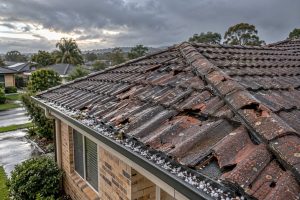
Spring in western Sydney means one thing for local homeowners: storm season is on its way. Blacktown and the surrounding suburbs sit in one of the most storm-prone parts of Sydney, and every year the same pattern plays out. The first big hailstorm or east coast low rolls through, and roofers get flooded with emergency calls from homeowners who had no idea their roof was already compromised.
The good news is that most storm-related roof damage is preventable, or at least manageable, if you catch the warning signs early. This guide walks through what to check now, in September and October, before the storms actually arrive.
Why Blacktown Gets Hit So Hard
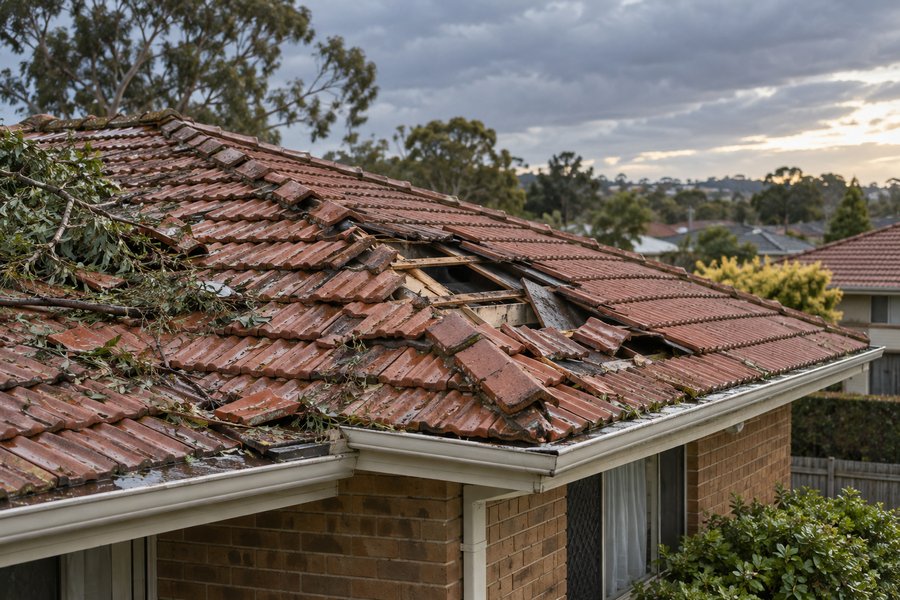
Western Sydney sits further inland than the coastal suburbs, which means it often takes the brunt of severe storm cells before they weaken. Blacktown, along with nearby areas like Rooty Hill, Mount Druitt, Doonside, and Seven Hills, regularly sees some of the most intense hail and wind events in the greater Sydney region during storm season.
Add to that the age of housing stock across much of western Sydney. Many homes were built decades ago with roofing materials that have since aged, cracked, or loosened. A roof that looked fine five years ago might already have weak points that a fresh storm season will expose.
This combination of geography and ageing roofs is exactly why a pre-storm check matters more here than in most other parts of Sydney.
The Pre-Storm Roof Checklist
Before storm season properly sets in, it is worth spending twenty minutes checking these areas of your roof. None of this requires climbing onto the roof yourself. Most of it can be done from the ground with a pair of binoculars, or from inside your roof cavity if you have access.
1. Loose or Cracked Tiles
Tiles that have shifted, cracked, or lifted are one of the most common causes of storm damage turning into a major leak. A tile that was only slightly loose can be torn off completely in strong wind, leaving an open gap for water to pour through during the next downpour. Look for tiles that appear discoloured, chipped at the edges, or sitting unevenly compared to the tiles around them.
2. Gutters and Downpipes
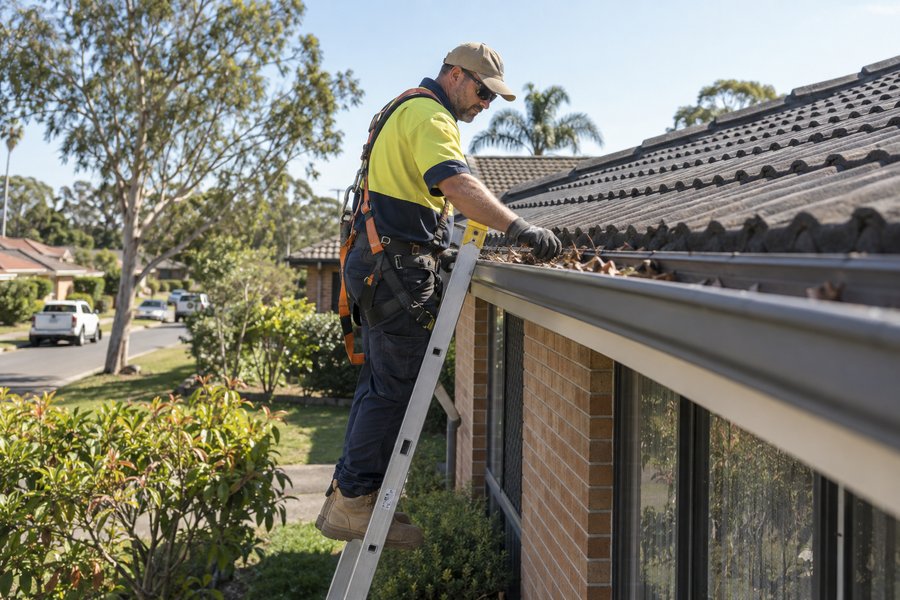
Blocked gutters are a quiet problem that becomes a loud one the moment a storm hits. If gutters are full of leaves, moss, or debris from the past few months, water has nowhere to go during heavy rain. Instead it backs up under the roofline, which can lead to water damage inside the ceiling and walls. Clear gutters now, before spring growth and storm rain make the job harder.
3. Flashing Around Chimneys and Vents
Flashing is the metal sealing around roof penetrations like chimneys, vents, and skylights. It is one of the most common failure points during storms because it relies on a tight seal that degrades over time. If you notice rust, gaps, or lifted edges around any roof penetration, this is worth having checked before it becomes an active leak.
4. Sagging or Uneven Roofline
Stand back from your house and look at the roofline from the street. A roof that appears to sag, dip, or sit unevenly in any section can indicate structural movement or water damage that has already taken hold. This is not something to leave until after a storm confirms the problem.
5. Ceiling Stains or Musty Smells
Inside the house, check ceilings in every room for yellow or brown staining, even faint marks. A stain that has not grown in size might still indicate a slow leak that will worsen significantly once storm season brings heavier rain. A musty smell in a room, particularly after light rain, is often an early sign of moisture getting into the roof cavity.
6. Age of the Roof
If your roof is more than fifteen to twenty years old and has not been restored or inspected recently, it is worth having a professional look over it regardless of whether you can see obvious damage. Materials weaken gradually, and a roof that has handled storms fine in past years can reach a tipping point without warning.
What Happens If You Skip the Check
Homeowners often assume a roof is fine simply because it has not leaked yet. The problem with storm season is that it does not create new weaknesses so much as it finds the ones that are already there. A tile that has been slightly loose for two years might survive a dozen light storms and then fail completely in one severe hailstorm.
Once damage happens, homeowners are often dealing with a leak, water damage to ceilings or walls, and an insurance claim, all at once and usually during the busiest period of the year for local roofers. Getting ahead of it now, while the weather is calm, means avoiding that scramble entirely.
When to Call a Professional
If you spot any of the warning signs above, or if you simply have not had your roof checked in the past few years, now is the time to arrange an inspection rather than waiting for storm season to force the issue. A proper roof inspection before storm season typically covers tiles, flashing, gutters, and the roof cavity, and gives you a clear picture of what needs attention before the weather turns.
For homeowners across Blacktown, Rooty Hill, Mount Druitt, Doonside, and the wider western Sydney area, a pre-storm inspection is a small investment compared to the cost and stress of emergency repairs after a storm has already caused damage.
Get Your Roof Checked Before Storm Season Hits
If you are unsure whether your roof is ready for the storms ahead, book a free roof inspection with our local Blacktown team. We will check tiles, flashing, gutters, and structural condition, and let you know exactly what, if anything, needs attention before the season sets in.